
In the dynamic real estate market, continuous learning and expertise are crucial for success. Key insights include:
1. Credibility & Trust: Deep knowledge, continuous learning, understanding market dynamics, legal aspects, and financial practices build client trust.
2. Diverse Experience: Engaging in various transactions (residential, commercial) and staying updated with technology enhance expertise.
3. Practical Experience: Balancing theoretical knowledge with hands-on experience ensures authoritative guidance and fosters long-term client relationships.
4. Staying Ahead: Adapt to change, embrace new trends, leverage data analytics, and attend industry events for ongoing education and thought leadership.
5. Reputation & Success: Certification, specialized courses, and webinars demonstrate expertise, boost client satisfaction, and enhance market reputation.
In the dynamic realm of Real Estate, where trends shift and markets evolve, establishing and maintaining credibility is paramount. In today’s competitive landscape, simply listing properties is no longer enough. Clients seek experts who not only understand the market but also possess a deep well of knowledge and skills. This article explores the vital role of ongoing learning in enhancing credibility within the Real Estate industry. We’ll delve into strategies that empower professionals to stay ahead, adapt to changes, and provide genuine value to their clients.
Establish Expertise: Building a Solid Foundation in Real Estate
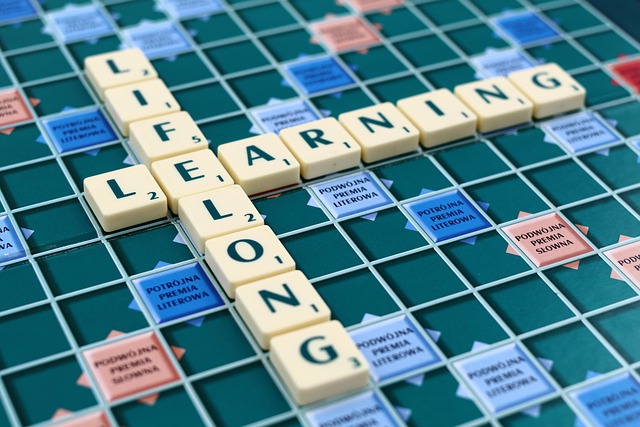
In the dynamic landscape of real estate, establishing expertise is not just an advantage but a necessity. Credibility, built on a foundation of deep knowledge and continuous learning, is the cornerstone of any successful professional in this field. For real estate practitioners, this journey of ongoing education offers a multitude of benefits, from enhancing client trust to staying ahead of market trends. By dedicating themselves to learning, agents can position themselves as trusted advisors, ensuring their clients receive the most informed and strategic guidance.
A solid start in real estate education involves mastering the fundamentals. Agents should invest time in understanding market dynamics, legal frameworks, and financial aspects unique to the industry. For instance, a deep dive into local zoning regulations, property tax structures, and mortgage lending practices can empower professionals to provide insightful advice to buyers and sellers. According to recent industry surveys, agents who demonstrate a comprehensive grasp of these topics report higher client satisfaction and retention rates. Moreover, staying abreast of evolving technology in real estate, such as property listing platforms and digital marketing tools, enables professionals to adapt their strategies and better serve their clientele.
Practical experience, coupled with theoretical knowledge, forms the basis of expertise. Agents should seek opportunities to engage in diverse real estate transactions, from residential sales to commercial leasing. Each experience offers a unique learning curve, allowing professionals to refine their skills and expand their knowledge base. For instance, handling a complex commercial property sale requires a deep understanding of investment strategies, leasing regulations, and market trends, all of which contribute to establishing a robust expertise in this niche. Mentorship programs and networking events can also play a pivotal role in facilitating this growth, connecting agents with seasoned professionals who can offer guidance and share valuable insights.
Embrace Lifelong Learning: Staying Ahead in a Dynamic Market

In the ever-evolving landscape of real estate, staying ahead requires more than just market knowledge; it demands a commitment to lifelong learning. The industry’s dynamic nature necessitates professionals to embrace change, adapt, and continuously enhance their skills. This isn’t merely about keeping up with trends but actively driving them. By cultivating a mindset of ongoing learning, real estate practitioners can significantly boost their credibility and performance, ensuring they remain at the forefront of a competitive market.
Lifelong learning in real estate involves staying abreast of legal reforms, technological advancements, shifting consumer preferences, and global economic trends. For instance, understanding the impact of new legislation on property rights or leveraging data analytics to predict market shifts can provide valuable insights. Professionals who invest time in such learning become trusted advisors rather than mere transaction facilitators. They can offer strategic guidance tailored to clients’ unique circumstances, fostering long-term relationships based on expertise and trust.
Practical steps towards embracing lifelong learning include attending industry conferences, joining professional networks, and enrolling in relevant courses or certifications. Online platforms now offer a wealth of resources catering to continuous education, making it easier than ever to stay current. For real estate professionals, this means keeping fingers on the pulse of market dynamics, anticipating changes, and adapting practices accordingly. By embracing lifelong learning, they not only enhance their credibility but also ensure their services remain relevant and valuable in a dynamic sector.
Demonstrate Commitment: Continuous Education for Industry Recognition

In the dynamic landscape of real estate, maintaining and enhancing credibility is paramount. One of the most effective strategies to achieve this is through continuous learning and education. In an industry that evolves with shifting market dynamics, regulatory changes, and emerging technologies, demonstrating a commitment to ongoing education positions professionals as thought leaders and fosters trust among clients, colleagues, and industry peers.
Real estate professionals who prioritize continuous education stay abreast of the latest trends, tools, and best practices. This could include attending industry conferences, participating in webinars, pursuing specialized certifications, or enrolling in courses that delve into niche areas like sustainable development, data analytics, or investment strategies. For instance, the National Association of Realtors (NAR) offers a wide array of educational resources, including the prestigious CR (Certified Real Estate Agent) designation, which underscores a commitment to professional excellence. According to NAR data, agents who maintain their certifications are more likely to achieve higher levels of success and client satisfaction.
Demonstrating a dedication to ongoing learning not only strengthens an individual’s expertise but also signals a forward-thinking approach. In a rapidly changing market, staying informed and adaptable is crucial. By embracing continuous education, real estate professionals can navigate the complexities of today’s industry with confidence, ensuring they provide clients with the most relevant and valuable insights. This, in turn, enhances their reputation and fosters long-lasting, mutually beneficial relationships.
