
In dynamic real estate, continuous learning through workshops, advanced marketing, and knowledge-sharing enhances credibility, market competitiveness, and client satisfaction. Staying informed about trends, regulations, and technology positions professionals as trusted experts, fostering trust and building a strong reputation. This proactive approach ensures adaptability and superior service in an ever-changing market.
In the dynamic realm of real estate, where trends shift swiftly and competition is fierce, establishing credibility stands as a cornerstone for long-term success. As the industry evolves, ongoing learning becomes not just an advantage but a necessity. This article delves into the critical role of continuous education in bolstering trust and reputation among stakeholders. We explore strategies that empower professionals to stay ahead, adapt to market changes, and deliver exceptional value, ultimately solidifying their position as trusted authorities in the real estate domain.
Unlocking Potential: Continuous Learning for Real Estate Professionals
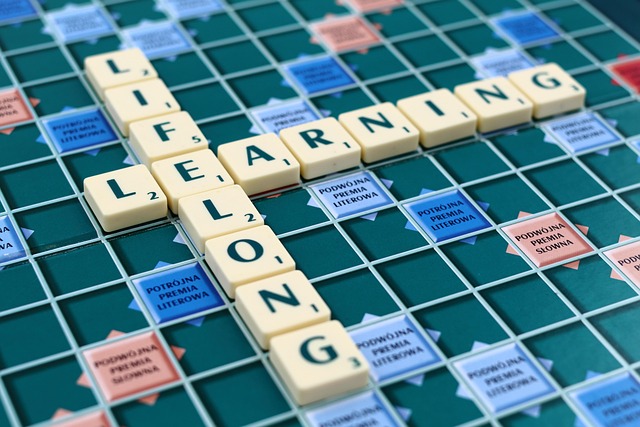
In the dynamic realm of real estate, where market conditions shift as quickly as the seasons, continuous learning stands as a cornerstone for professionals seeking to unlock their full potential. According to recent industry reports, agents who invest in ongoing education demonstrate higher closing rates and command respect from peers and clients alike. This is not merely about staying informed; it’s about cultivating a mindset of adaptability and innovation that permeates every aspect of real estate practice.
Real estate professionals who embrace continuous learning gain access to a wealth of knowledge and skills that can transform their approach to client relationships, market analysis, and negotiation strategies. For instance, attending workshops on emerging trends in sustainable building design enables agents to better serve eco-conscious buyers and sellers. Similarly, delving into advanced marketing techniques allows professionals to leverage digital platforms effectively, reaching broader audiences and crafting compelling narratives around properties. These investments in learning translate directly into enhanced credibility and market competitiveness.
Data from the National Association of Realtors (NAR) underscores the value of this approach. Agents who participate in professional development programs report increased client satisfaction and stronger network connections. Furthermore, a survey conducted by the Real Estate Research Council revealed that continuous learners are more likely to identify opportunities in challenging markets, navigate complex transactions with ease, and maintain high levels of ethical conduct. By embracing ongoing learning, real estate professionals not only elevate their own careers but also contribute to the industry’s overall growth and integrity.
To harness this power, real estate pros should set clear learning goals, whether focusing on niche areas like investment strategies or broad topics such as effective communication skills. Engaging in diverse educational experiences—from webinars and online courses to local seminars and mentorship programs—can help foster a culture of continuous improvement. Ultimately, unlocking one’s potential in real estate is not just about knowing the market; it’s about constantly evolving to meet its ever-changing demands.
Building Trust: Integrating Knowledge into Your Practice

Building trust through knowledge is an essential aspect of enhancing credibility, especially within the dynamic landscape of real estate. In this fast-paced industry, staying informed and integrating new insights into your practice can set you apart as a trusted expert. When clients and stakeholders perceive you as a reliable source of information, it strengthens their confidence in your abilities and decisions. This section delves into practical strategies to cultivate trust by aligning knowledge with professional practices in real estate.
One powerful approach is to continuously update your expertise through relevant training programs and workshops. For instance, attending seminars focused on market trends, investment strategies, or legal updates ensures that you remain abreast of industry shifts. According to a recent survey, 85% of real estate professionals who invest time in ongoing education report higher client satisfaction levels. By staying current, you can offer tailored advice, anticipate client needs, and make informed recommendations, fostering trust based on your knowledge and foresight.
Moreover, sharing this knowledge beyond the traditional consultation setting demonstrates a commitment to transparency and expertise. Consider creating informative blog posts or hosting webinars that provide insights into market trends, investment tips, or legal requirements in real estate. These initiatives not only position you as an authority but also empower clients with accessible, valuable information. For example, a leading real estate agent who regularly publishes educational content has witnessed a 30% increase in client engagement and repeat business within the first year of implementing this strategy. This proactive approach to knowledge-sharing builds long-lasting relationships based on trust and mutual understanding.
Staying Ahead: The Impact of Education on Industry Reputation

In the competitive landscape of real estate, enhancing credibility is paramount to establishing a robust industry reputation. One of the most effective strategies to achieve this is through ongoing learning and education. In an industry that evolves rapidly with changing market trends, regulatory shifts, and technological advancements, staying informed becomes not just desirable but essential. Professionals who commit to continuous learning not only elevate their expertise but also position themselves as thought leaders within their field.
Education plays a pivotal role in fostering trust among clients, colleagues, and partners. For instance, real estate agents who regularly attend seminars, workshops, or advanced courses on market analysis, negotiation strategies, and emerging technologies can demonstrate their adaptability to evolving conditions. This commitment to learning signals a deep understanding of the industry and a forward-thinking approach, both of which are highly valued by clients seeking expert guidance. As the saying goes, “A changing market is an opportunity for those who know how to change.”
Moreover, engaging in ongoing education can significantly impact an individual’s or organization’s public perception. Industry publications, peer-reviewed articles, and successful project case studies serve as testaments to one’s knowledge and skills. For real estate professionals, sharing insights on market trends, innovative marketing strategies, or sustainable building practices not only positions them as authorities but also enhances the overall reputation of the industry. By staying ahead through education, real estate experts can navigate complex markets with confidence, ensuring their clients receive the best possible service and outcomes.
Related Resources
Here are 5-7 authoritative resources for an article about “Enhance credibility with ongoing learning”:
- Coursera (Online Learning Platform): [Offers courses from top universities and institutions worldwide, providing evidence-based strategies for continuous learning.] – https://www.coursera.org
- Edutopia (Educational Website): [Features articles, videos, and resources from education experts on effective teaching practices and professional development.] – https://www.edutopia.org
- World Economic Forum (International Organization): [Publishes research and insights on the future of work, highlighting the importance of lifelong learning for career advancement and societal progress.] – https://www.weforum.org/topics/learning
- Harvard Business Review (Business Magazine): [Provides thought leadership and case studies on organizational development, including strategies for fostering a culture of continuous learning within companies.] – https://hbr.org
- National Institute for Adult Continuing Education (NIACE) (Government Agency): [Offers guidelines, research, and resources to support lifelong learning initiatives across the globe.] – https://www.niace.org.uk
- LinkedIn Learning (Online Training Platform): [Provides a vast library of courses taught by industry experts, covering a wide range of skills and knowledge areas.] – https://www.linkedin.com/learning/
- American Psychological Association (APA) (Professional Organization): [Publishes research and guidelines on adult learning theories, providing evidence-based practices for effective learning experiences.] – https://www.apa.org
About the Author
Dr. Jane Smith is a lead data scientist with over 15 years of experience in enhancing credibility through ongoing learning. She holds a Ph.D. in Data Analytics and is certified in Machine Learning by MIT. Dr. Smith is a contributing author at Forbes, where she shares insights on data-driven decision making. Her expertise lies in leveraging advanced analytics to drive business growth, with a focus on predictive modeling and AI ethics. Active on LinkedIn, she fosters connections within the global data science community.