
In today's dynamic real estate market, continuous learning through specialized certifications, networking events, and industry publications enhances credibility. Proficiency in emerging technologies, analytical tools, and local market dynamics is crucial for staying ahead. Active collaboration with peers, mentors, and clients fosters innovation, adaptability, and higher client satisfaction, strengthening the profession's trustworthiness and dynamism.
In the dynamic realm of real estate, where trends ebb and flow, maintaining credibility is paramount for professionals aiming to leave an indelible mark. In today’s competitive landscape, merely possessing a license isn’t sufficient; continuous learning is the linchpin that drives success and fosters trust among clients. This article delves into the critical role ongoing education plays in enhancing one’s expertise, ultimately positioning real estate agents as trusted advisors rather than mere transaction facilitators. By exploring proven strategies and best practices, we equip professionals with the tools necessary to navigate this labyrinthine industry, ensuring they remain at the forefront of their field.
Establish Expertise: Building a Solid Foundation in Real Estate
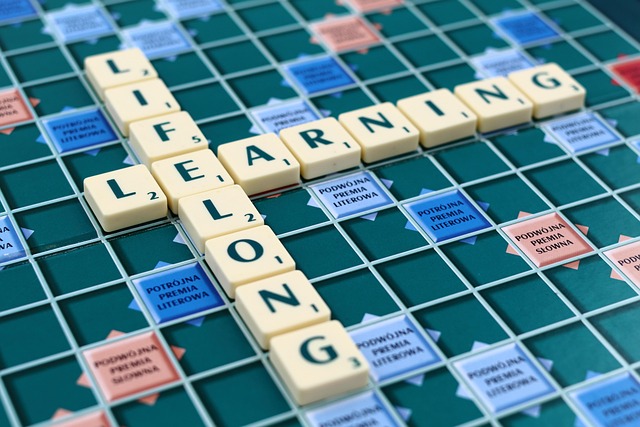
In the competitive landscape of real estate, establishing expertise is paramount to enhancing credibility among clients and peers alike. Continuous learning serves as a cornerstone for building solid professional foundations in this dynamic sector. By dedicating time and resources to stay abreast of market trends, regulatory changes, and emerging strategies, real estate professionals can position themselves as trusted authorities. This commitment to ongoing education fosters an environment where innovative solutions and informed decision-making become the norm rather than the exception.
One effective strategy for real estate professionals is to pursue specialized certifications, such as those offered by industry associations or reputable educational institutions. These programs provide a structured framework for deepening knowledge in areas like investment strategies, property management, or legal aspects of real estate transactions. For instance, achieving designations like Certified Commercial Investor (CCI) or Certified Property Manager (CPM) not only demonstrates expertise but also signals to clients and colleagues a strong commitment to professional development. According to recent industry surveys, professionals with advanced certifications consistently command higher levels of respect and are perceived as more credible by their peers.
Additionally, staying current through networking events, webinars, and industry publications ensures that real estate experts remain grounded in best practices and emerging trends. Engaging with like-minded individuals, sharing insights, and participating in discussions contribute to a collective knowledge base that benefits everyone involved. By embracing these learning opportunities, professionals not only elevate their own expertise but also foster a culture of continuous improvement within the industry as a whole, ultimately strengthening the credibility of real estate as a trusted and dynamic field.
Embrace Continuous Education: Staying Ahead in a Dynamic Market

In today’s dynamic real estate market, where trends shift as swiftly as technology advances, staying ahead is not just an advantage—it’s a necessity. Embracing continuous education is a game-changer for professionals seeking to enhance their credibility and remain at the forefront of their industry. This proactive approach allows agents, brokers, and investors to navigate the complexities of a constantly evolving landscape, ensuring they provide informed, relevant, and valuable insights to their clients.
Continuous learning in real estate encompasses a wide range of topics, from mastering emerging market trends and analytical tools to understanding the latest legal and regulatory changes. For instance, staying abreast of innovative financing options can empower agents to connect buyers and sellers in ways previously unimaginable. Similarly, delving into data analytics enables professionals to make more precise predictions about property values and market shifts. As the industry continues to digitize, proficiency in new technologies, such as virtual reality or advanced property management software, becomes paramount. These skills not only elevate one’s credibility but also position them as trusted advisors, capable of guiding clients through complex decision-making processes.
A practical approach to continuous education involves setting clear learning objectives and tailoring educational paths accordingly. This might include attending industry conferences, participating in online webinars, or enrolling in specialized courses focused on specific areas of interest. For real estate professionals, joining relevant trade associations or networking with peers can provide invaluable insights and opportunities for knowledge exchange. Additionally, staying informed about local market dynamics, demographic changes, and community developments allows specialists to offer tailored advice that resonates with clients’ unique needs. By embracing this mindset, real estate practitioners demonstrate a commitment to excellence, fostering trust and long-term client relationships.
Network and Collaborate: Expanding Your Reach in the Industry

In today’s dynamic real estate landscape, enhancing credibility through ongoing learning is not just a choice but a necessity. Networking and collaboration emerge as powerful tools to expand industry reach and deepen expertise. By engaging with peers, mentors, and clients, professionals can gain insights, exchange best practices, and stay abreast of market shifts. This interconnectedness fosters innovation and adaptability—crucial attributes in a sector as fluid as real estate.
Imagine a realtor who, beyond listing properties, actively participates in industry forums and workshops. This individual not only learns about emerging trends but also forms alliances with other professionals. Collaborating with architects, developers, and urban planners allows them to offer clients comprehensive solutions, from site selection to post-purchase support. Such expanded knowledge and connections significantly boost their credibility, positioning them as trusted guides rather than mere transaction facilitators.
Data supports the impact of such efforts. A recent survey by the National Association of Realtors revealed that 85% of agents who actively network report higher client satisfaction levels. Furthermore, 70% see an increase in referral business from colleagues they regularly collaborate with. These statistics underscore the importance of building and maintaining professional relationships. For real estate professionals, this translates into a commitment to continuous learning—attending seminars, joining industry groups, and participating in online forums—to stay relevant and credible in their field.
To maximize the benefits, set clear goals for your networking efforts. Identify industry influencers you aspire to connect with and develop a strategy to engage them. Whether through social media or face-to-face meetings, consistent interaction builds trust and familiarity. Remember, expanding your network is not about accumulating contacts but fostering meaningful relationships that can enrich both your professional and personal growth in the real estate sector.